Buy or Rent Near SMU in 2026: A Parent's Decision Guide to Condos, Homes and Leases
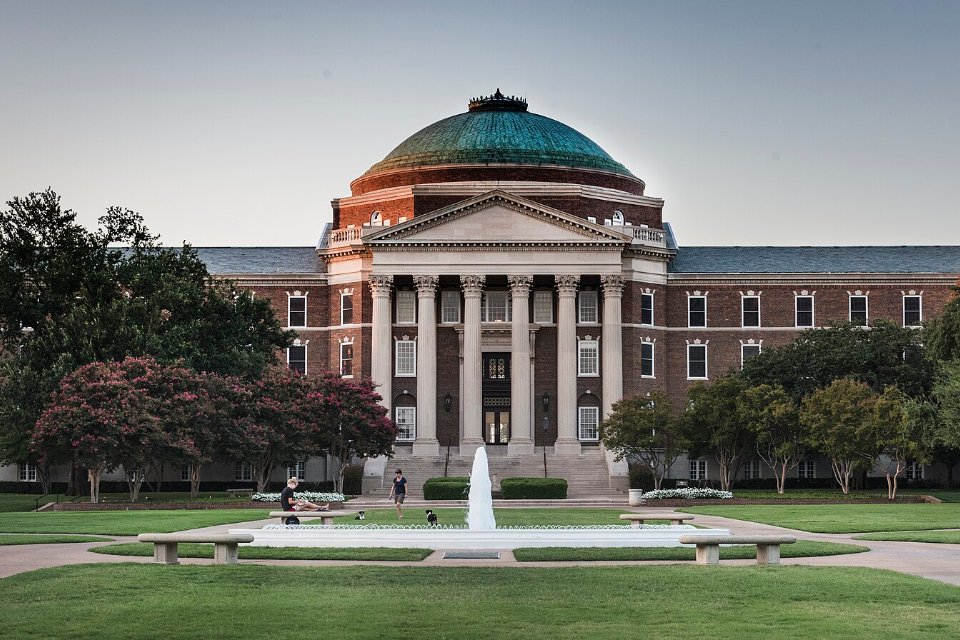
Should you buy or rent near SMU for your student? If your son or daughter is heading to Southern Methodist University, or is a first-year student already looking ahead to sophomore year, it is one of the biggest money questions a family will face after tuition. Some parents buy a condo or a small house near campus, sometimes called a "kiddie condo." Others sign a lease and never think about property taxes or plumbing.
There is no single right answer. This guide walks through the facts that matter in November 2026: SMU's current housing rules, what it costs to live on campus, what homes and rentals cost in the neighborhoods students actually use, what property taxes look like, how financing works when a parent is involved, and an illustrative four-year buy vs rent comparison. Every number links to its source, and calculated figures are labeled as calculated.
Key Takeaways
- SMU now requires only one year on campus. Starting with students who entered in fall 2025, sophomores may live on or off campus. First-year students must still live in a Residential Commons (SMU Residence Life). That means most families are deciding about roughly three years of off-campus housing, not two.
- On-campus housing and food run $20,950 for 2026-27. SMU's own budget for off-campus housing and food is $11,336 (SMU Cost of Attendance).
- Prices near campus span a huge range. The median sale price for the three months ending September 2026 was about $2.8 million in University Park and $3.0 million in Highland Park, compared with about $602,000 in Knox-Henderson and $687,000 in Uptown (Redfin).
- Rents have softened. Zillow's rental data shows the average asking rent in ZIP 75205 (SMU and the Park Cities) at $3,112, down $388 from a year earlier, as of November 7, 2026 (Zillow).
- A parent usually cannot claim a homestead exemption on a student's home. Texas requires the owner to live there as their principal residence (Texas Comptroller). Expect to pay the full, non-homestead tax bill.
- Mortgage rates matter. The 30-year fixed average was 7.18% as of November 5, 2026 (Freddie Mac PMMS). At that rate, our illustrative example shows owning costing more than renting over four years unless the home appreciates meaningfully or a roommate pays rent.
- Buying tends to work best for families with a four-year-plus horizon, strong cash reserves, a plan to hold or rent the property after graduation, or a younger sibling who may follow.
What SMU's Housing Rules Mean for Your Timeline
The first question is not about real estate at all. It is about how many years your student will actually need off-campus housing.
First year: on campus
SMU requires all first-year undergraduates to live on campus in one of its Residential Commons (SMU Housing Policies). SMU's admissions FAQ notes that very few exceptions are granted. New first-year students from Dallas may request a hardship exemption to live at home with a parent or guardian (SMU Admission FAQ). New transfer students are not required to live on campus.
Second year: now optional
This is the change many families miss. Older guides and SMU's own older catalogs describe a two-year requirement. SMU says that beginning with the fall 2025 entering class, it "will no longer require undergraduate students to live on campus during their second year." Sophomores may stay on campus as space allows or choose off-campus housing (SMU Residency Change FAQ).
Upper-division years: limited campus space
SMU offers some upper-division and apartment-style housing, but it says demand is very high and assignments depend on space (SMU Housing Policies). Students who lived off campus the year before can apply for space in April, and assignments are made on a space-available basis.
What this means for parents: A typical four-year student could need off-campus housing for three academic years, from sophomore through senior year. If you are thinking about buying, you are really planning around a three-year use period plus the time it takes to sell, or a longer hold if a sibling, graduate school or a rental plan follows.
What SMU Itself Budgets for Housing
SMU publishes its estimated undergraduate cost of attendance for 2026-27. The housing lines give you a useful baseline (SMU Cost of Attendance):
| 2026-27 SMU estimate | On campus | Off campus | With parents |
|---|---|---|---|
| Tuition (12-18 credit hours) | $63,736 | $63,736 | $63,736 |
| General student fees | $8,080 | $8,080 | $8,080 |
| Housing and food | $20,950 | $11,336 | $4,222 |
| Books, transportation and personal | $3,622 | $3,622 | $3,622 |
| Total cost of attendance | $96,388 | $86,774 | $79,660 |
SMU's Office of Institutional Insights breaks the $20,950 on-campus figure into $12,658 for a room and $8,292 for board (SMU Undergraduate Charges). Per-semester room rates for 2026-27 run from $4,223 for an efficiency in HillCrest Manor to $8,281 in Hilltop Heights (SMU 2026-2027 Housing Rates).
SMU notes that its off-campus figure "can vary significantly" based on neighborhood, rent and roommates. In the neighborhoods near campus, a one-bedroom apartment alone can cost more than SMU's full off-campus budget, as the rent data below shows.
Neighborhoods Near SMU: Prices, Rents and Getting to Campus
SMU's main campus sits in University Park, one of the two Park Cities along with Highland Park. Students also live east of North Central Expressway (US-75) and south toward Uptown. Here is what the latest data shows.
| Area | Median sale price (Redfin) | Asking rents (Zillow, Nov 7, 2026) | 2026 combined tax rate (calculated) | Getting to SMU |
|---|---|---|---|---|
| University Park | $2,796,168 (3 mo. ending Sep 2026) | ZIP 75205: avg $3,112, 1BR $1,700. ZIP 75225: 2BR $3,385 | 1.600080% (HPISD) | SMU is inside University Park. Redfin Walk Score 61 |
| Highland Park | $2,998,572 (3 mo. ending Sep 2026) | ZIP 75205: avg $3,112 | 1.572067% (HPISD) | Borders University Park to the south |
| Uptown | $687,307 (3 mo. ending Sep 2026) | ZIP 75204: avg $2,500, 1BR $1,689 | 2.250760% (Dallas ISD), plus Uptown PID where it applies | DART Cityplace/Uptown station, one rail stop from SMU/Mockingbird. Katy Trail |
| Knox-Henderson | $601,581 (3 mo. ending Sep 2026) | ZIP 75206: avg $2,068, 1BR $1,611 | 2.250760% (Dallas ISD), plus Knox St PID where it applies | Katy Trail, short drive |
| Lower Greenville | $774,283 (3 mo. ending Sep 2026) | ZIP 75206: avg $2,068, 1BR $1,611 | 2.250760% (Dallas ISD) | Redfin Walk Score 77, Bike Score 64 |
| M Streets (Lower M Streets) | $965,000 (3 mo. ending Mar 2026, small sample) | ZIP 75206: avg $2,068 | 2.250760% (Dallas ISD) | East of US-75, short drive to SMU/Mockingbird |
| Vickery Meadow | $589,277 for ZIP 75231 (3 mo. ending Sep 2026) | ZIP 75231: avg $1,375, 1BR $1,136, 2BR $1,472 | 2.250760% (Dallas ISD), plus Midtown (Vickery) PID where it applies | DART Red and Orange lines run nearby. Redfin Walk Score 54 for 75231 |
Sources: Redfin housing market pages for University Park, Highland Park, Uptown, Knox-Henderson, Lower Greenville, Lower M Streets and ZIP 75231. Zillow rental market pages for 75205, 75225, 75204, 75206 and 75231. Tax rates from the Dallas County Tax Office, combined by us.
A few notes on reading this table:
- Medians mix property types. Redfin's medians blend condos, townhomes and houses. University Park and Highland Park medians are driven by single-family homes. Uptown and Knox-Henderson are largely condo and townhome markets, so their medians are closer to what a parent shopping for a student condo will see.
- Small samples swing. University Park sold 39 homes in September 2026 and Highland Park sold 36, according to Redfin. Redfin's Lower M Streets figure covers only a handful of sales and is from March 2026, so treat it as a rough marker. For Vickery Meadow, we used the broader ZIP 75231 because Redfin's neighborhood figure is based on only a few sales.
- Zillow rents are asking rents. They reflect listings on Zillow, not signed leases, and a ZIP can include everything from studios to large houses. Rents in all five ZIPs we checked were lower than a year earlier.
Getting around: DART, shuttles, walking and biking
- SMU/Mockingbird Station is served by DART's Red, Orange and Blue rail lines, at Mockingbird Lane and North Central Expressway (DART). DART notes construction-related delays and detours there through about March 2027.
- The SMU Express Red Shuttle (DART route 440) links SMU/Mockingbird Station with campus, nearby student apartment areas, stores and restaurants. The Blue Shuttle (route 442) loops the main and East campuses on weekdays (SMU Express Shuttles).
- DART passes. Students can request a DART Transit Pass through SMU's Parking and ID Card Services office for unlimited DART rail and bus rides (same source).
- The Katy Trail is a 3.5-mile trail running from Airline Road near SMU to the American Airlines Center, which makes biking or running between Uptown, Knox-Henderson and campus realistic (Friends of the Katy Trail).
When you tour a property, time the trip to campus at class hours, and check parking. A car and a campus parking permit add to the cost of living farther out.
Property Taxes: What a Parent Should Expect
Property taxes are often the biggest surprise for out-of-state parents. Texas has no state income tax, and local governments rely heavily on property taxes.
2026 rates near SMU
All of these areas are in Dallas County. Here are the adopted 2026 rates per $100 of value (Dallas County Tax Office):
| Taxing unit | 2026 rate per $100 |
|---|---|
| Dallas County | 0.248650 |
| Dallas College | 0.106575 |
| Parkland Hospital | 0.212000 |
| City of Dallas | 0.697800 |
| City of University Park | 0.220055 |
| Town of Highland Park | 0.192042 |
| Dallas ISD | 0.985735 |
| Highland Park ISD | 0.812800 |
| Combined, City of Dallas with Dallas ISD (calculated) | 2.250760 |
| Combined, University Park with HPISD (calculated) | 1.600080 |
| Combined, Highland Park with HPISD (calculated) | 1.572067 |
University Park voters approved the $0.220055 city rate on November 3, 2026, which was above the voter-approval rate, to add police and fire staff (NBC 5 DFW). Some Dallas properties also sit inside public improvement districts that add a small assessment, such as the Uptown PID at 0.045 and the Knox St PID at 0.150 per $100. Check the specific address.
Example bills (calculated, before any exemptions)
These are simple calculations using the combined rates above and the full value. Actual bills depend on the appraised value set by the Dallas Central Appraisal District.
| Example property | Combined rate | Estimated annual tax | Per month |
|---|---|---|---|
| $600,000 condo in the City of Dallas (Dallas ISD) | 2.250760% | $13,505 | $1,125 |
| $600,000 condo in University Park (HPISD) | 1.600080% | $9,600 | $800 |
| $2,800,000 house in University Park (HPISD) | 1.600080% | $44,802 | $3,734 |
The University Park and Highland Park rates are lower, but home values there are far higher. For the same $600,000, a University Park condo carries a lower tax bill than one in the City of Dallas, though University Park has few condos for sale at any given time.
Can a parent claim a homestead exemption on a student's home?
In most cases, no. Under Texas law, to qualify for the general residence homestead exemption, "an individual must have an ownership interest in the property and use the property as the individual's principal residence" (Texas Comptroller). A parent who lives elsewhere is not using the condo as their principal residence. The applicant must also state that they do not claim a homestead anywhere else, in or outside Texas.
The exemption is valuable. School districts must exempt $140,000 of a homestead's value, and other local units may offer more (same source). That is why some families ask whether the student can be on the title and claim it. Whether a student co-owner qualifies depends on ownership, residency and facts the appraisal district decides. The Comptroller notes that the chief appraiser alone determines eligibility. Ask the Dallas Central Appraisal District and a tax professional before you build a plan around it. In budgeting, assume you will pay the full non-homestead bill.
Financing When a Parent Is Involved
Families usually look at three general setups. These are simplified descriptions. Your lender will decide what fits.
- The parent buys it as an investment property. The parent owns and finances it, and the student lives there, often with roommates. Under Fannie Mae's rules, a property that is not the borrower's principal residence or second home is an investment property, and investment-property loans carry extra pricing adjustments (Fannie Mae Selling Guide B2-1.1-01). Expect stricter terms than a primary-residence loan.
- The student is the occupying borrower and the parent co-borrows. Fannie Mae says that with multiple borrowers, "only one borrower must occupy and take title," and it allows non-occupant borrowers in some cases (Fannie Mae Selling Guide). This is the classic parent co-signed or "kiddie condo" mortgage. It requires the student to qualify as a borrower and to live there as their principal residence, and the parent shares the debt.
- Cash purchase. Buying with cash avoids the rate question but ties up money that could earn a return elsewhere.
Fannie Mae has a specific rule letting a parent be treated as the owner-occupant only when buying for a disabled adult child who cannot work or qualify on their own. It does not cover typical college students (same source). Be accurate with your lender about who will live in the home. Misstating occupancy on a mortgage application is a serious problem.
Tax considerations for the parent-owner
If you charge your student rent, the IRS rules get specific. IRS guidance says days a family member uses the home count as personal use unless the family member uses it as their principal residence and pays a fair rental price, meaning what an unrelated person would pay (IRS Topic 415). That affects which expenses you can deduct. Rent from roommates, depreciation and the tax on a future sale are all questions for a CPA.
Buy vs Rent: Side-by-Side Comparison
| Factor | Renting | Buying |
|---|---|---|
| Upfront cash | Deposit and first month | Down payment, closing costs, furnishing |
| Monthly cost | Rent, fixed for the lease term | Mortgage, taxes, insurance, HOA, maintenance |
| Property taxes | Built into rent | Full non-homestead bill if the parent owns |
| Flexibility | Move or stop after the lease | Selling takes time and costs money |
| Price risk | None | Values can rise or fall |
| Upside | Money not tied up | Principal paydown and possible appreciation |
| Roommates | Each signs or is on the lease | Possible roommate rent, subject to HOA and city rules |
| Management | Landlord handles repairs | You or a manager handle repairs and leases |
| After graduation | Lease ends | Sell, rent out, or keep for a sibling |
Illustrative 4-year buy vs rent math (illustrative only)
This example is not a forecast. It shows how the pieces fit together using current published numbers and clearly labeled assumptions.
Assumptions: - A $600,000 two-bedroom condo in the City of Dallas, close to Knox-Henderson's $601,581 Redfin median. - 25% down ($150,000) and a $450,000 30-year fixed loan at 7.18%, Freddie Mac's November 5, 2026 average (Freddie Mac PMMS). Investment-property loans usually price higher than this average, so your rate may be higher. - 2026 combined tax rate of 2.250760%, held flat. - Assumed buying closing costs of 2% and selling costs of 6% of the sale price. Both are assumptions, and commissions are negotiable. - A four-year hold. - The rent comparison uses Zillow's November 2026 average asking rent of $3,385 for a two-bedroom in ZIP 75225 (Zillow), held flat.
| Calculated item (illustrative) | Amount |
|---|---|
| Monthly principal and interest | $3,048 |
| Monthly property tax | $1,125 |
| Principal paid down after 4 years | $19,724 |
| Interest paid over 4 years | $126,602 |
| Loan balance after 4 years | $430,276 |
Net cost of owning for 4 years (down payment, closing costs, payments and taxes, minus what you take home after selling), before HOA dues, insurance, maintenance and lost investment returns on the down payment:
| Resale price after 4 years | Net cost of owning (calculated) |
|---|---|
| Down 5% ($570,000) | $256,820 |
| Flat ($600,000) | $228,620 |
| Up 10% ($660,000) | $172,220 |
Cost of renting a comparable two-bedroom (calculated): $3,385 x 48 months = $162,480. For three academic years, it is $121,860.
What this shows: At a 7.18% rate and today's rents, renting comes out ahead in this example, even before HOA dues and insurance, which add to the ownership side. Buying closes the gap when:
- the home appreciates more than the example assumes,
- a roommate pays fair rent that offsets the payment,
- you put more money down or pay cash, though that money then cannot earn a return elsewhere,
- you hold longer for a sibling, graduate school or a rental after graduation, or
- rates fall and you refinance.
Run your own numbers on a specific property with real HOA, insurance and lender quotes.
What to Check Before You Buy a Condo for a Student
- Leasing and occupancy rules. Many condo associations limit leasing, roommates or minimum lease terms. If your student will have roommates who pay rent, confirm the rules in the declaration and bylaws.
- The resale certificate. Texas condominium law requires a seller to give the buyer the declaration, bylaws, rules and an association-issued resale certificate showing the budget, assessments, any transfer restrictions and other details (Texas Property Code Section 82.157). Read it closely, along with the budget and reserve study.
- HOA dues and special assessments. Dues vary widely by building age and amenities. Ask for the current dues and any planned assessments in writing.
- Insurance. Get a quote for the unit, and ask what the association's master policy covers and what its deductible is.
- Parking. Confirm assigned spaces and guest rules, and check whether your student will also need an SMU parking permit.
- Visit at night. Walk the building and the route to campus or the nearest DART stop in the evening.
- Resale demand. Ask for recent sales in that specific building, since condo values vary building by building.
A Step-by-Step Decision Plan for Parents
- Count the years. With SMU's one-year requirement, most students need off-campus housing for about three years. Add any sibling, graduate school or rental plans.
- Set your all-in budget. Compare SMU's $11,336 off-campus housing and food estimate with real rents in the ZIPs your student prefers.
- Pick two or three neighborhoods. Choose based on commute, DART access, walkability, budget and your student's routine.
- Price a lease. Gather rent quotes for comparable units, and note deposits, utilities and lease dates. Many student leases align with the academic year.
- Price a purchase. Get a lender quote for the loan type you would actually use, a tax estimate on the full non-homestead value, HOA dues, insurance and closing costs.
- Run the four-year math. Compare total rent with the net cost of owning under flat, down and up resale scenarios.
- Decide what happens after graduation. Know whether you will sell, rent the property to someone else or keep it.
- Talk to the professionals. A CPA can address rental income and capital gains, an attorney can advise on title and ownership, and a lender can explain occupancy rules.
- Shop early. Begin the search well before the lease or move-in date you are targeting, so you are not forced into a rushed decision.
Frequently Asked Questions
Does SMU still require sophomores to live on campus?
No, not for students who entered in fall 2025 or later. SMU still requires first-year students to live on campus, but sophomores may choose on- or off-campus housing, with on-campus space subject to availability (SMU).
Is it cheaper to buy or rent near SMU in 2026?
With mortgage rates around 7.18% and rents lower than a year ago, renting is often cheaper over a three- to four-year stay, as our illustrative example shows. Buying can come out ahead with strong appreciation, roommate income, a longer hold or a much larger down payment. Run the numbers on the specific property.
Can I get a homestead exemption if I buy a condo for my student?
Generally not as the parent. Texas requires the owner to live in the home as their principal residence (Texas Comptroller). Plan on the full non-homestead tax bill, and ask the Dallas Central Appraisal District about any co-ownership situation.
What is a "kiddie condo"?
It is an informal name for a condo parents buy, or help buy, for a college student. It may be owned by the parent as an investment property, or bought by the student as the occupying borrower with the parent as a co-borrower (Fannie Mae). Each setup has different loan terms, liability and tax treatment.
Can my student rent rooms to roommates?
Possibly. It depends on the condo or HOA rules, your loan terms and local ordinances. If you are the owner and charge rent, the IRS rules on rentals and fair rental price apply (IRS Topic 415).
How do students get to SMU without a car?
SMU/Mockingbird Station is on DART's Red, Orange and Blue lines, and the free SMU Express shuttles connect the station and nearby apartment areas with campus. Students can request a DART pass through SMU, and the Katy Trail links Uptown and Knox-Henderson toward campus (DART, SMU).
Related Reading from OnDemand Realty
- DFW Housing Market Update November 2026
- Klyde Warren Park Expansion 2026: $200M Project Underway in Dallas
- Why Buyers and Sellers Should Track the MBA Mortgage Applications Index
- Seller-Paid 2/1 Buydown: Worth It? Pros, Cons and Math
Talk It Through with OnDemand Realty
Whether you lean toward a lease or a purchase near SMU, OnDemand Realty can help you compare specific buildings, rents and recent sales in University Park, Highland Park, Uptown and the neighborhoods around campus. Visit www.ondemanddfw.com to get started.
Disclaimer: This article is for general information only and is not tax, legal, lending or financial advice. Figures come from the sources linked and the dates noted, and they can change. Calculated and illustrative figures are estimates based on stated assumptions, not predictions or quotes. SMU policies, tax rates, loan rules and market conditions change, so verify details with SMU, the Dallas Central Appraisal District, your lender and a licensed tax or legal professional before making decisions. OnDemand Realty is not affiliated with Southern Methodist University. OnDemand Realty supports fair housing and equal housing opportunity.
Categories
Recent Posts